
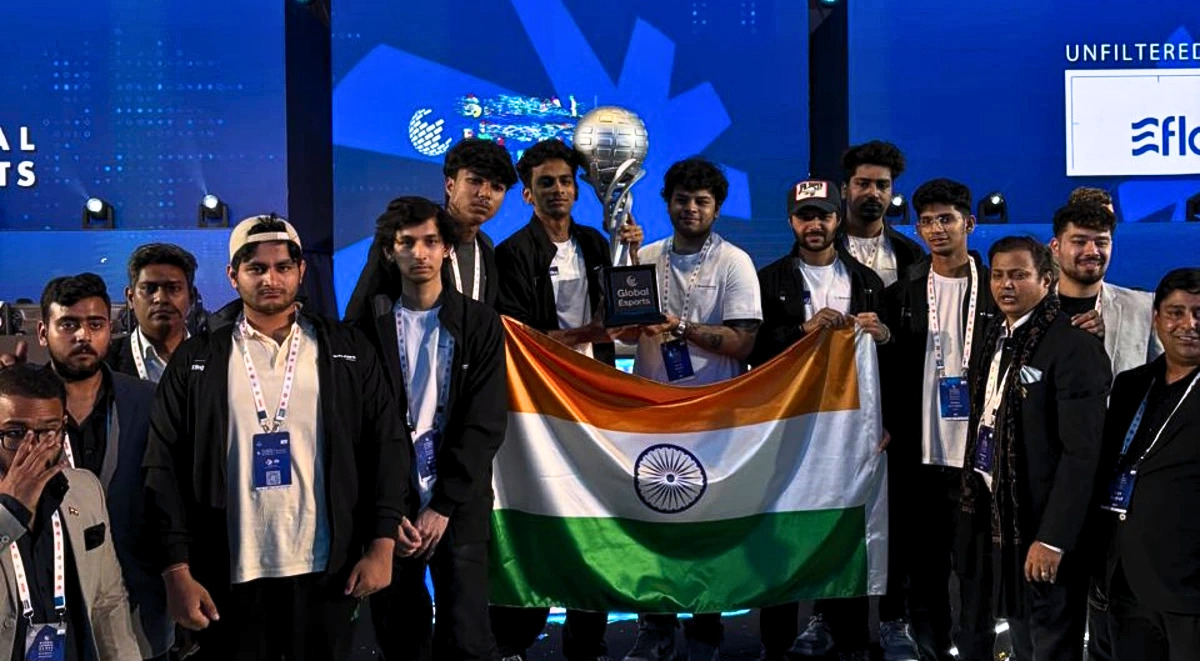
Esports is no longer trying to prove that competitive gaming can attract an audience. The bigger question now is whether its players can become mainstream sporting personalities in the same way that IPL cricketers have become household names in India. That ambition was highlighted at the Esports World Cup 2026 in Paris, where Mike McCabe, COO and Deputy CEO of the Esports Foundation, described a future in which esports athletes could receive the kind of public recognition normally associated with India’s biggest sporting stars.
The comments come at a significant moment for competitive gaming. The 2026 Esports World Cup has brought together 24 games with a record $75 million prize pool, while the event itself has moved to Paris after originally being planned for Riyadh. The tournament’s expansion shows how organisers are attempting to transform esports from a collection of individual gaming competitions into a large-scale global sporting property.
But perhaps the most interesting part of the tournament is not the enormous prize money. It is the presence of chess alongside modern competitive video games. Chess has been part of the Esports World Cup since 2025, and this year’s tournament includes stars such as Magnus Carlsen and Alireza Firouzja, as well as Indian Grandmasters Arjun Erigaisi, Nihal Sarin, Aravindh Chithambaram and Pranesh M. Chess carries centuries of history, yet it is now sharing the stage with games such as Rocket League and League of Legends.
Why Chess Matters to the Future of Esports
At first glance, chess may appear to be an unusual addition to an esports tournament. It is not a video game, its competitive traditions existed long before computers, and its biggest stars built their reputations through traditional chess competitions rather than gaming organisations.
For McCabe, however, the definition of esports is not simply about whether something is a video game. The focus is on the ecosystem surrounding competition: organised events, rankings, rivalries, communities and audiences who want to watch the competition. Under that broader definition, chess can fit naturally into the esports environment.
That approach could become important for the future of competitive gaming. Rather than creating a strict boundary around what counts as esports, organisers are exploring a broader idea of competitive entertainment.
Chess also brings something that many newer esports titles do not: a bridge between generations. Parents who grew up playing chess can watch their children follow the same game, while younger audiences can discover the sport through a modern tournament environment. McCabe said he had seen strong demand for tickets from people interested in the chess competition, suggesting that the game can bring audiences into an esports event who might not otherwise consider themselves esports fans.
The Esports World Cup therefore becomes more than a gaming tournament. It becomes an experiment in how different forms of competitive entertainment can share the same stage.
The IPL Comparison Is About Stardom, Not Just Money
The most ambitious part of McCabe’s vision concerns India.
He said he would like to see esports players walking through the streets of Chennai and being recognised and surrounded by fans in the same way IPL cricketers are. The comparison is significant because the IPL has demonstrated how a sporting competition can turn athletes into entertainment personalities with enormous fan followings.
The IPL’s success is not based only on cricket. It has built an ecosystem around franchises, rivalries, personalities, broadcasting, sponsorships and social media. Players are followed even outside matches, and supporters develop strong emotional connections with teams and individual athletes.
Esports organisers are attempting to create a similar ecosystem.
Instead of fans following only a particular game, the goal is for audiences to follow players, teams and organisations. That distinction could be crucial to making esports genuinely mainstream. A person may not play a particular game but could still become a fan of a professional player because of personality, rivalry, achievements or entertainment value.
For India, this could be especially important. The country has a massive gaming audience and a large young population, but esports personalities have not yet achieved the same level of mainstream recognition as leading cricketers, footballers or other traditional sports stars.
The EWC’s ambition is to change that.
Paris Shows How Quickly Esports Can Move
The 2026 tournament’s arrival in Paris is another important part of the story.
The event was originally scheduled to take place in Riyadh again, but security concerns surrounding the regional conflict forced organisers to move it. The tournament was then established in Paris as what organisers describe as the EWC’s first international chapter.
According to McCabe, the speed at which such a large event could be relocated demonstrated the flexibility of esports. Traditional international sporting events can require years of preparation, while esports competitions can potentially adapt more quickly because of their digital infrastructure and international gaming communities.
That mobility could become one of esports’ biggest advantages.
Major competitive gaming events already take place around the world, from League of Legends championships to Call of Duty competitions. The EWC is attempting to bring many of these communities together under one larger umbrella.
Paris has therefore become a test of whether the Esports World Cup can operate successfully outside its original home market.
The tournament is scheduled to return to Riyadh next year, but the Paris experience could help establish a model in which the event becomes increasingly international.
Big Brands Are Moving Into Esports
Another major development is the growing involvement of mainstream companies.
The Esports Foundation has pointed to partnerships involving major brands such as Allianz, Hilton Hotels and Sony, alongside companies traditionally associated with gaming and technology. This suggests that esports is gradually moving beyond its traditional commercial base.
For esports to reach the scale of traditional sports, however, sponsorships alone will not be enough. The industry also needs sustainable media-rights revenue.
McCabe identified media rights as an important next step because broadcasting income can help provide funding to clubs, publishers, partners and tournament organisers. A stronger media ecosystem could allow esports organisations to invest more consistently in players, facilities, content and fan engagement.
This is where the comparison with the IPL becomes particularly relevant. Cricket’s enormous commercial value has been built around television, streaming, sponsorships, franchises and advertising. Esports will need a similarly sustainable business model if it wants to turn short-term popularity into a long-term global industry.
What the Future Could Look Like
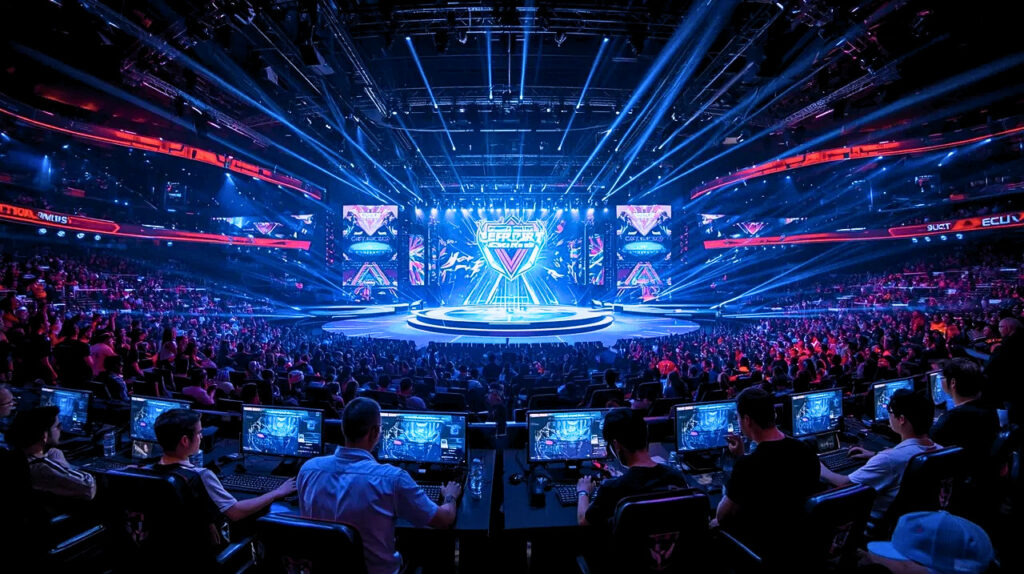
The biggest takeaway from the Esports World Cup 2026 is that esports is still evolving.
Chess demonstrates that the boundaries of competitive gaming are becoming less rigid. Paris demonstrates that major esports events can potentially move across borders at remarkable speed. Major corporate partnerships show that the commercial world is taking the industry increasingly seriously. And the ambition to make players as recognisable as IPL cricketers shows that organisers are no longer satisfied with simply having viewers.
They want fans.
That distinction could determine the next stage of esports.
A successful esports industry will not depend only on how many people play Fortnite, League of Legends, Counter-Strike, Valorant or other competitive titles. It will depend on whether people know the players, understand the rivalries, support teams and follow tournaments even when they do not personally play the games.
India could be one of the most important markets in that transformation. With its enormous cricket culture, the country provides an unusually high benchmark for sports popularity. If esports can produce players who become recognisable outside gaming communities, it would represent a major step toward mainstream acceptance.
For now, the vision remains a work in progress. The Esports World Cup has achieved enormous scale quickly, but maintaining that growth will require sustainable economics, stronger media distribution, wider audiences and personalities capable of connecting with fans beyond hardcore gamers.
The ambition, however, is clear: esports does not want to remain a niche form of entertainment watched primarily by gamers. It wants to become a global spectator sport where players are recognised in the streets, teams have passionate supporters and major tournaments become cultural events.
And if McCabe’s vision becomes reality, the day may come when an esports champion walking through an Indian city attracts the same kind of crowd that currently follows an IPL superstar.
About The Author