

Artificial Intelligence (AI) is no longer a concept limited to science fiction movies or tech laboratories. It has quietly become a part of our everyday lives—powering smartphones, recommending content, driving business decisions, and even helping doctors save lives. As AI continues to evolve, understanding what it is and why it matters has become essential for everyone, not just technology experts.
What Is Artificial Intelligence?
Artificial Intelligence refers to the ability of machines or computer systems to perform tasks that normally require human intelligence. These tasks include thinking, learning, problem-solving, understanding language, recognizing images, and making decisions.
In simple terms, AI enables machines to “think” and “learn” like humans, but at much faster speeds and with greater accuracy.
AI systems work by analyzing large amounts of data, identifying patterns, and using algorithms to make predictions or decisions. The more data an AI system processes, the smarter it becomes.
Types of Artificial Intelligence
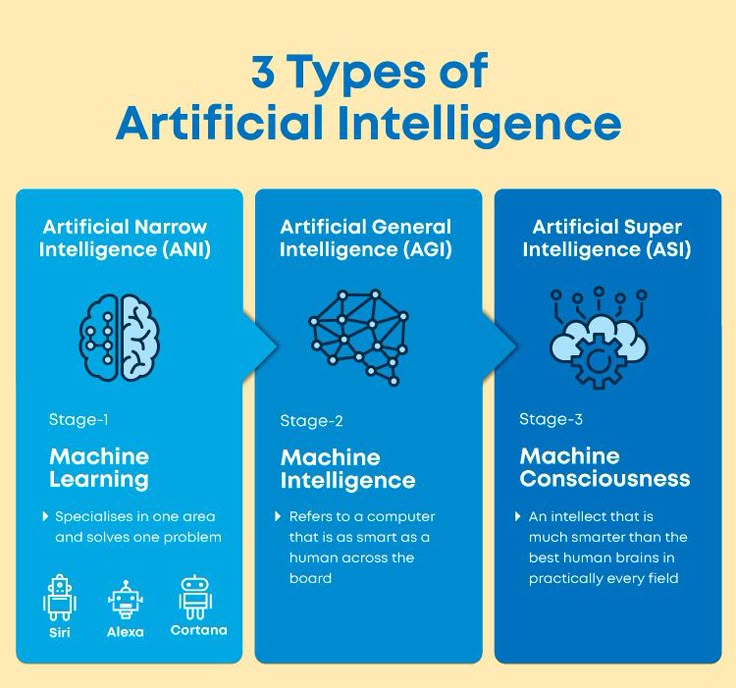
AI can be broadly classified into three main categories:
1. Narrow AI (Weak AI)
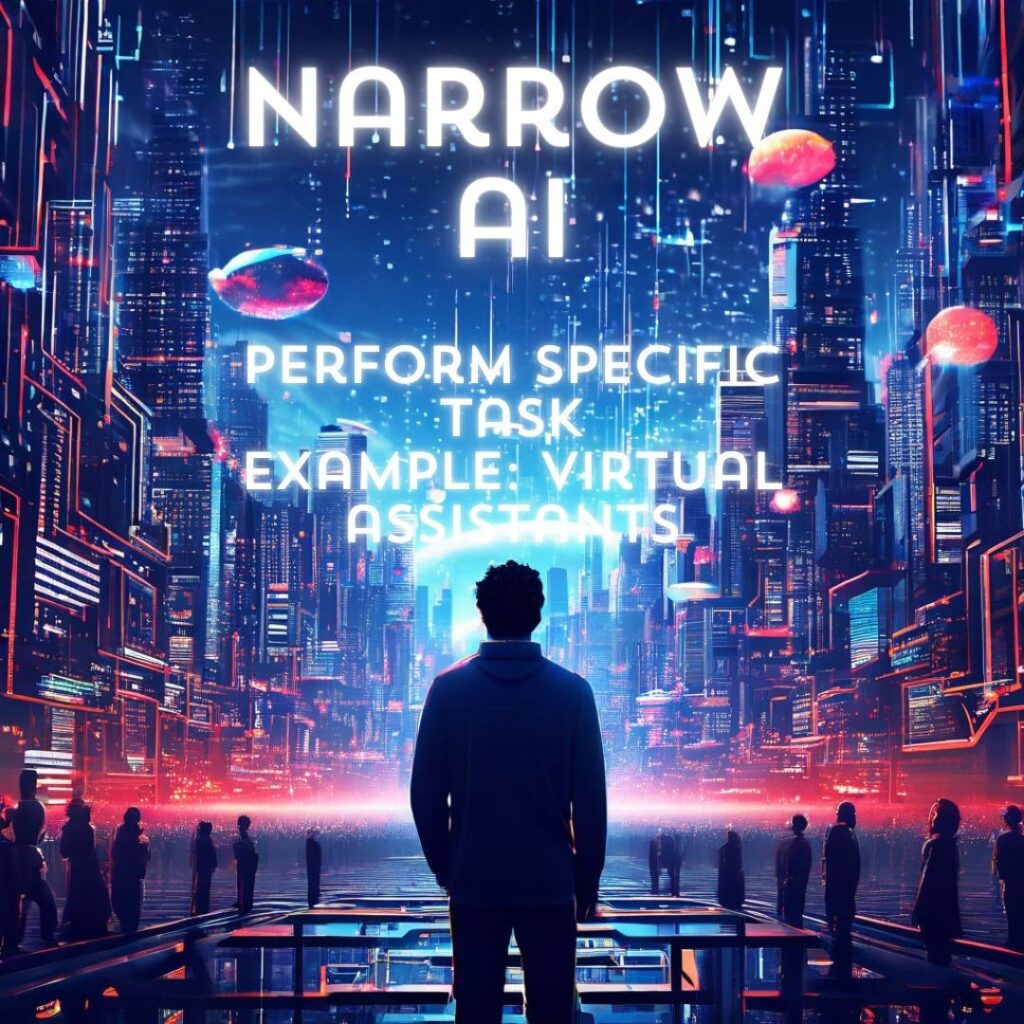
This is the most common form of AI today. Narrow AI is designed to perform a specific task and cannot operate beyond its programmed function.
Examples include:
- Voice assistants like Siri and Alexa
- Recommendation systems on Netflix and YouTube
- Facial recognition technology
- Chatbots and virtual assistants
Although powerful, Narrow AI does not possess consciousness or independent thinking.
2. General AI (Strong AI)
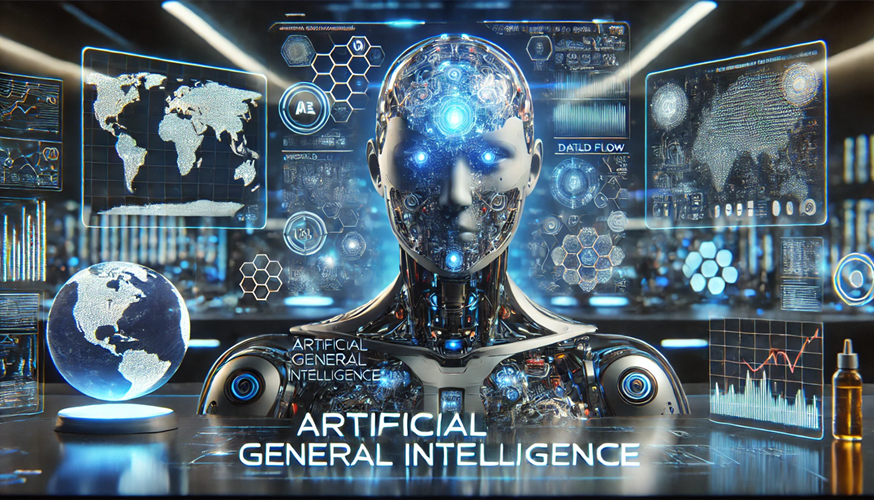
General AI refers to machines that can perform any intellectual task a human can do. This type of AI can reason, learn, and adapt across different fields.
Currently, General AI does not exist and remains a goal for future research.
3. Super AI
Super AI would surpass human intelligence in every aspect—creativity, emotional understanding, problem-solving, and decision-making. This concept remains theoretical and raises ethical and philosophical questions about the future of humanity.
How Artificial Intelligence Works
AI systems rely on three main components:
- Data: Large volumes of information used for learning
- Algorithms: Instructions that guide the system’s learning process
- Computing Power: Hardware that processes data efficiently
Techniques such as machine learning and deep learning allow AI to improve over time without being explicitly programmed for every task. This ability to learn makes AI highly powerful and scalable.
Why Artificial Intelligence Matters
AI is not just a technological trend—it is transforming the world in profound ways.
1. Improves Efficiency and Productivity
AI automates repetitive and time-consuming tasks, allowing humans to focus on more creative and strategic work. Businesses use AI to analyze data, optimize operations, and improve customer experiences.
From automating emails to managing supply chains, AI saves time and reduces human error.
2. Enhances Healthcare
AI is revolutionizing healthcare by:
- Detecting diseases earlier
- Assisting doctors in diagnosis
- Analyzing medical images
- Predicting patient outcomes
AI-powered systems can process medical data faster than humans, leading to quicker and more accurate treatments.
3. Transforms Education
In education, AI enables personalized learning experiences. Students can learn at their own pace, while AI tools adapt content based on individual strengths and weaknesses.
AI also assists teachers by automating grading and providing insights into student performance.
4. Drives Innovation and Economic Growth
AI fuels innovation across industries—finance, agriculture, transportation, entertainment, and more. It creates new job roles, improves decision-making, and helps businesses scale faster.
Countries investing in AI development gain a competitive advantage in the global economy.
5. Makes Everyday Life Smarter
AI simplifies daily life in countless ways:
- Smart home devices optimize energy usage
- Navigation apps provide real-time traffic updates
- E-commerce platforms recommend products
- AI-powered assistants manage schedules
These conveniences improve comfort, safety, and efficiency.
Ethical Concerns and Challenges
Despite its benefits, AI also raises important concerns:
- Data privacy and surveillance
- Bias in algorithms
- Job displacement due to automation
- Lack of transparency in decision-making
Responsible development and regulation are essential to ensure AI benefits society without causing harm.
The Future of Artificial Intelligence
AI will continue to evolve rapidly. Future advancements may include smarter automation, improved human-AI collaboration, and breakthroughs in science and medicine.
Rather than replacing humans, AI is expected to augment human abilities, helping us solve complex global challenges—from climate change to healthcare access.
Final Thoughts
Artificial Intelligence is not just about machines—it’s about enhancing human potential. Understanding AI helps individuals, businesses, and governments make informed decisions in a rapidly changing world.
As AI continues to shape our future, one thing is clear: those who understand and adapt to AI will be better prepared for the opportunities it brings.
AI matters because it is transforming how we live, work, learn, and innovate—and its impact is only just beginning.
Checkout More Content:
About The Author