


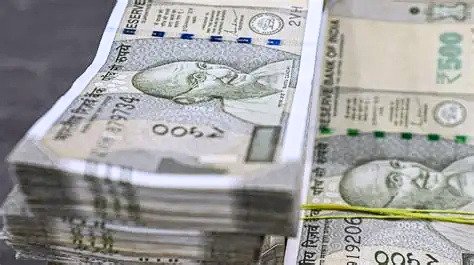
India’s central bank, the Reserve Bank of India (RBI), announced a fresh set of measures on October 10, 2026, to support the Indian rupee after it came under significant pressure against the US dollar. The measures include providing dollars directly to three major state-owned oil companies and introducing stricter rules for foreign-exchange transactions.
The Indian rupee has weakened considerably during 2026, affected by rising international crude oil prices, strong global bond yields and foreign investment outflows. The currency closed at approximately ₹96.73 per US dollar on October 9, approaching its previously recorded low of around ₹96.96.
The RBI’s latest decisions aim to reduce pressure on the foreign-exchange market, discourage excessive speculative trading and maintain greater stability in the currency. However, the measures cannot eliminate the economic factors responsible for the rupee’s weakness.
Why Is the Indian Rupee Under Pressure?
One of the biggest reasons behind the rupee’s decline is the increase in international crude oil prices. India imports a substantial proportion of the oil it consumes, and these purchases are generally settled in US dollars.
When crude oil prices increase, Indian oil companies need more dollars to purchase the same quantity of oil. This raises demand for the US currency in the foreign-exchange market and can put additional downward pressure on the rupee.
A stronger US dollar and higher global bond yields have also contributed to the situation. When investments in the United States become more attractive, some international investors shift funds away from emerging markets such as India. Foreign investors selling Indian assets and converting their proceeds into dollars can create additional pressure on the rupee.
These factors have made it more difficult for the Indian currency to recover despite earlier measures taken by the RBI to support it.
RBI Opens a Special Dollar Window for Three Oil Companies
One of the most important announcements is the introduction of a special dollar supply facility for three government-owned oil marketing companies:
- Indian Oil Corporation (IOC)
- Hindustan Petroleum Corporation Limited (HPCL)
- Bharat Petroleum Corporation Limited (BPCL)
The facility is scheduled to begin on October 12, 2026, and will remain in place until further notice.
Under this arrangement, the RBI will supply the companies’ daily dollar requirements through designated banks, using dollars from its foreign-exchange reserves. This will allow the companies to obtain the foreign currency they need for their operations without relying entirely on the regular spot foreign-exchange market.
Oil companies are among the major buyers of dollars in India because of the country’s dependence on imported crude oil. By meeting their requirements through a separate facility, the central bank hopes to reduce concentrated demand for dollars in the open market.
For example, when an oil company needs dollars to pay an overseas supplier, it normally purchases those dollars through the banking and foreign-exchange system. Under the new arrangement, the RBI will supply the dollars through designated banks instead.
The move could reduce immediate pressure on the rupee. However, supplying dollars from the RBI’s reserves also means that the reserves may decline, depending on the volume of dollars provided and other foreign-exchange flows.
About The Author