


Nintendo is dominating the US physical video game market in 2026, while Xbox’s share of new physical game sales has fallen to just over 4%, according to data from Circana cited by industry analyst Mat Piscatella. The figures highlight how dramatically the market for boxed games has shifted toward Nintendo and PlayStation, even as digital distribution continues to reshape the wider gaming industry.
According to the latest figures, Nintendo platforms accounted for 63% of new physical game sales in the United States so far this year. PlayStation followed with 32%, leaving Xbox with just over 4%. A small remaining share came from physical PC editions, including collector’s editions of games such as 007 First Light and Assassin’s Creed Black Flag Resynced.
Nintendo takes the lead
Nintendo’s dominance has been particularly notable because the company continues to place considerable emphasis on physical game releases. The Switch and Switch 2 have helped keep boxed games relevant at a time when downloads, subscriptions and digital storefronts have become increasingly important to the industry.
The launch and continued popularity of the Switch 2 have provided another boost to Nintendo’s physical software business. Nintendo’s first-party games also tend to have strong retail demand and remain popular for long periods, allowing physical copies to maintain a significant presence in the company’s ecosystem.
The result is a stark contrast with Xbox, where Microsoft’s broader strategy has increasingly focused on digital purchases, Game Pass and making its games available across multiple platforms.
Xbox’s physical presence continues to shrink
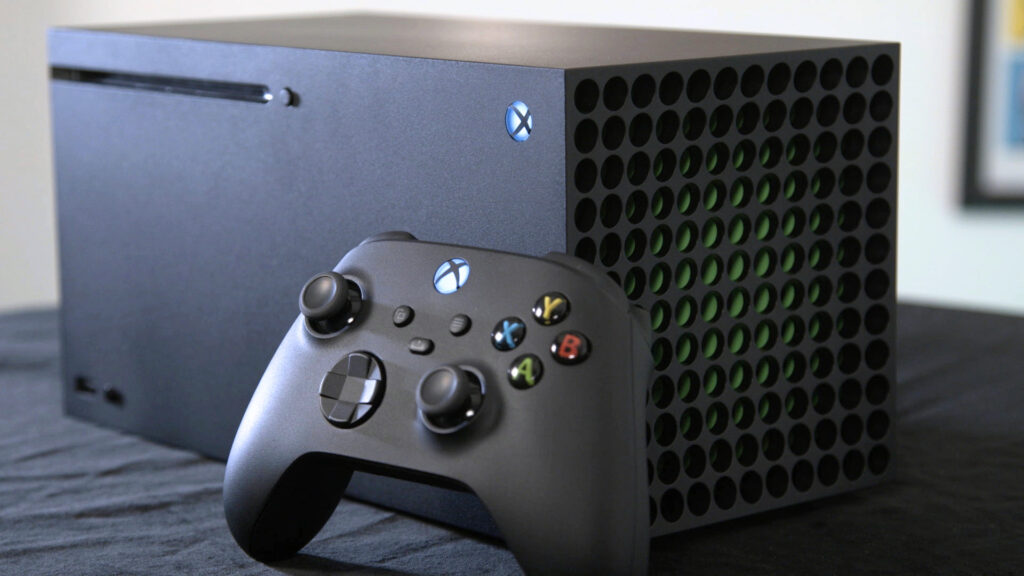
Xbox’s roughly 4% share does not necessarily mean that Xbox players have stopped buying games. Instead, it reflects the changing way Microsoft’s games are being distributed and purchased.
Microsoft has increasingly embraced a platform-independent strategy, releasing games on PC and, in some cases, competing consoles. Xbox Game Pass has also encouraged players to access games through subscriptions rather than purchasing individual physical copies.
That strategy can make traditional retail sales less important to Microsoft’s overall gaming business.
The physical-sales figures therefore should not be interpreted as a direct measurement of Xbox’s total gaming revenue or the number of Xbox players. They specifically show how many new physical games sold in the US were associated with each platform.
PlayStation remains a strong physical competitor
PlayStation accounted for approximately 32% of US physical game sales, putting Sony well ahead of Xbox but still significantly behind Nintendo.
Sony continues to release major games physically, and PlayStation’s large installed user base gives retailers a substantial audience for boxed releases.
The gap between PlayStation and Xbox also illustrates the different approaches being taken by the two companies. While both have invested heavily in digital distribution, Microsoft’s Xbox strategy has moved further toward digital ecosystems, subscriptions and cross-platform availability.
The bigger shift toward digital gaming
Nintendo’s dominance of physical sales should not obscure the broader industry trend: physical games have become a much smaller part of the overall gaming business.
Industry data has shown that digital games and related digital products now represent the overwhelming majority of global video-game spending. In 2024, physical games accounted for less than 5% of the worldwide industry’s total market volume, according to GamesIndustry data reported by MeriStation.
That makes Nintendo’s 63% share of the remaining US physical market particularly interesting. It suggests that while physical gaming is shrinking overall, Nintendo has been far more successful than its competitors at maintaining demand for boxed games.
What this means for Xbox
For Microsoft, the numbers reinforce the company’s decision to focus less heavily on traditional physical retail. Xbox’s strategy increasingly revolves around digital sales, Game Pass, PC gaming, cloud services and bringing its games to a wider audience.
However, the decline of Xbox’s physical retail presence could still matter to collectors and consumers who prefer owning games on discs. As fewer Xbox titles receive traditional retail releases, physical Xbox games could become increasingly niche.
For Nintendo, meanwhile, the data demonstrates that there is still substantial demand for physical games when a platform has strong first-party software and a large retail audience.
The latest figures ultimately show two very different directions within the console industry. Nintendo continues to dominate the shrinking physical market, PlayStation maintains a substantial presence, while Xbox has moved increasingly toward a digital-first business model.
Source: Circana data cited by industry analyst Mat Piscatella.
About The Author