

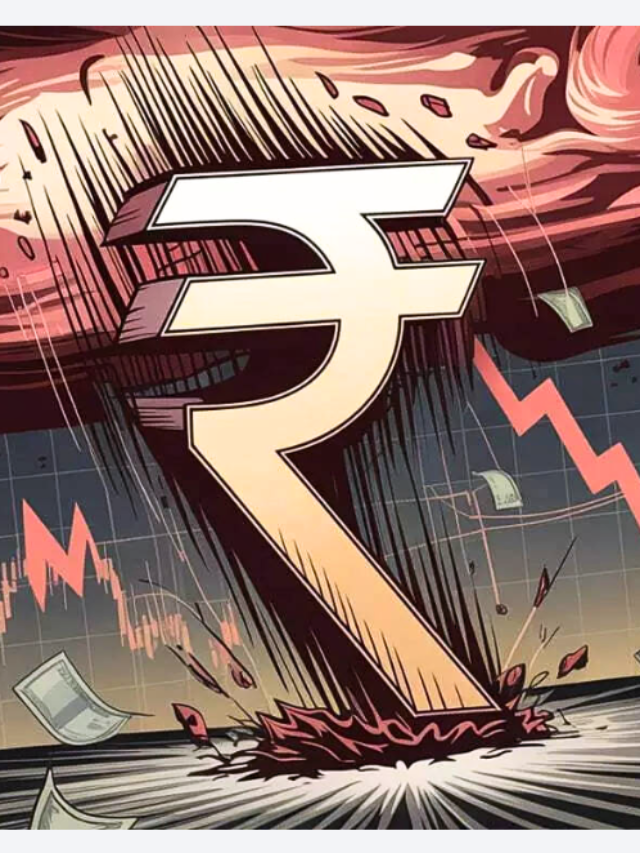
The Indian rupee weakened to a two-week low against the U.S. dollar on Monday, pressured by higher crude oil prices and continued demand for dollars from importers. The currency closed at ₹95.6025 per U.S. dollar, extending its recent weakness despite efforts by the Reserve Bank of India (RBI) to limit sharp movements in the foreign exchange market.
The latest pressure on the rupee comes as global oil prices rise amid continuing geopolitical tensions in the Middle East. Brent crude futures climbed around 1% to about $89.20 a barrel, increasing concerns for India because the country relies heavily on imported crude oil. Higher oil prices can increase India’s import bill and demand for dollars, putting additional pressure on the rupee.
RBI Ends Foreign Exchange Swap Window Early
The RBI has decided to close its discounted foreign-exchange swap facility for overseas deposits a month earlier than initially planned. The programme was introduced to encourage foreign-currency inflows into India and strengthen the country’s external position.
The facility attracted more than $50 billion in deposits from non-resident Indians, contributing to nearly $57 billion in policy-driven foreign exchange inflows. These inflows helped push India’s foreign exchange reserves above $700 billion and significantly improved expectations for the country’s balance of payments.
The decision to end the facility early reflects a change in the RBI’s priorities. Analysts believe the central bank may have concluded that continuing the programme would provide diminishing benefits while increasing concerns around external liabilities, domestic liquidity and the longer-term cost of maintaining the swaps.
Oil Prices and Dollar Demand Weigh on Rupee
The rupee is also facing pressure from persistent dollar demand among Indian importers. Rising crude prices could make this pressure more pronounced if geopolitical tensions continue to disrupt energy markets. Despite the weakness, traders expect the RBI to remain active in the foreign exchange market. State-run banks have been seen selling dollars, which traders believe was carried out on behalf of the central bank to prevent a sharper fall in the rupee.
The RBI’s intervention has helped keep the currency’s movements relatively contained despite significant external risks. Analysts expect the central bank to focus more on limiting excessive volatility rather than trying to force the rupee toward a particular level.
Outlook for the Rupee
The near-term outlook remains closely tied to crude oil prices, geopolitical developments and dollar demand. Reuters reported that analysts at BMI expect the rupee could weaken toward 97 per dollar by March 2027 and 99 by March 2028, although the RBI’s intervention could continue to limit abrupt movements.
At the same time, India’s foreign exchange reserves above $700 billion provide the country with a substantial buffer against external shocks. The strong inflows generated by the RBI’s swap measures have also improved India’s balance-of-payments outlook, although ending the facility early could slightly reduce the expected surplus.
For now, investors are likely to watch crude oil prices, developments in the Middle East and the RBI’s foreign exchange operations closely. The combination of elevated oil prices and strong importer dollar demand could keep the rupee under pressure in the coming sessions, while continued central-bank intervention may help prevent a disorderly decline.
About The Author