

Union Education Minister Dharmendra Pradhan has underlined that artificial intelligence must be used to make Indian education more student-centric, empower teachers, and drive curriculum innovation across schools and higher education institutions (HEIs). He stressed that AI should not replace teachers but act as an intelligent assistant that personalises learning, reduces routine workload, and prepares students for a rapidly changing future workforce.
Focus on student-centric learning
Dharmendra Pradhan highlighted that AI-powered tools can help move classrooms away from one-size-fits-all teaching towards personalised, flexible learning pathways tailored to each learner’s pace and abilities. Adaptive platforms, data-driven assessments and intelligent tutoring systems, he noted, can identify learning gaps early and support differentiated instruction for students across diverse socio-economic backgrounds.
He also pointed out that AI can support multilingual and inclusive learning by offering real-time translation, speech recognition and assistive technologies for children with disabilities, thereby aligning with the government’s vision of equitable, accessible education under the National Education Policy (NEP) 2020.
Empowering teachers, not replacing them
The minister reiterated that AI must be positioned as a co-pilot for teachers, helping them manage classrooms more effectively instead of creating fear about job loss. AI tools, he said, can automate repetitive tasks like grading objective tests, generating question banks and tracking attendance and performance dashboards, giving teachers more time for mentoring, counselling and conceptual teaching.
He urged schools and HEIs to train teachers in AI literacy and digital pedagogy so that they can meaningfully integrate AI tools into lesson plans rather than treating them as add-ons or mere administrative systems. Teacher capacity-building, according to Pradhan, is central to ensuring that AI actually improves learning outcomes on the ground.
Curriculum innovation in schools and HEIs
Pradhan called for systematic curriculum reform to embed AI-related content across levels—from basic digital and computational thinking in schools to advanced AI, machine learning and data science programmes in colleges and universities. He emphasised that AI should feature both as a subject (for those who want to specialise) and as a transversal skill that all students encounter in various disciplines, including humanities, social sciences, agriculture and healthcare.
The roadmap he outlined includes expanding AI, coding and robotics modules in school curricula, strengthening skilling programmes, and encouraging HEIs to launch multidisciplinary AI centres that link academia, industry and startups for research and innovation.
Balancing innovation with ethics and inclusion
Alongside the opportunities, the minister flagged the need to address concerns around data privacy, algorithmic bias and responsible use of AI in classrooms and campuses. He stressed that India’s AI-in-education framework must be guided by ethical principles, transparency and accountability so that technology does not deepen existing inequalities or compromise students’ rights.
Pradhan also noted that infrastructure gaps—such as connectivity, devices and digital access in rural and underserved regions—must be tackled in parallel so that AI-driven reforms benefit all learners, not just those in well-resourced institutions.
Aligning AI in education with India’s future readiness
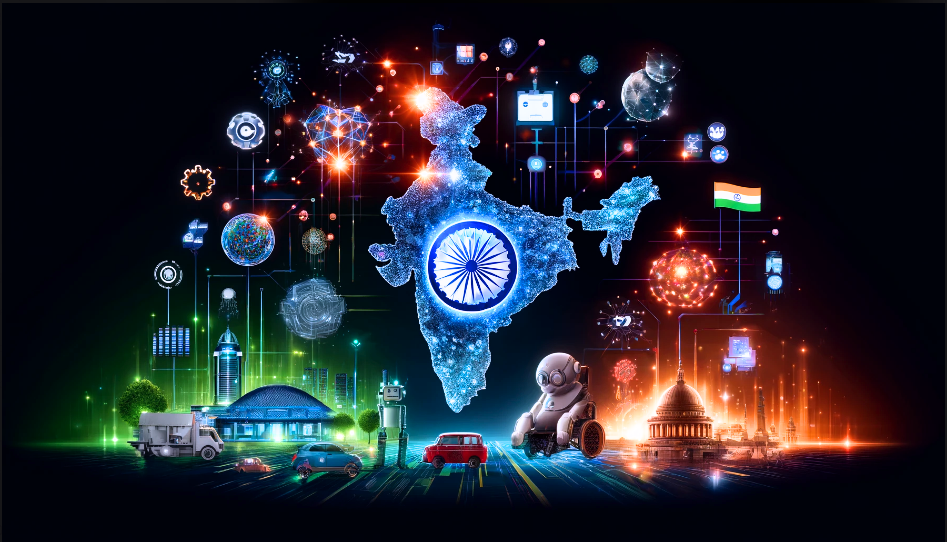
Framing AI as a key pillar of “Viksit Bharat”, Pradhan said that integrating AI thoughtfully into education will play a crucial role in building a future-ready workforce and fostering innovation-led growth. He urged policymakers, educators, edtech companies and industry leaders to collaborate on scalable, affordable and contextually relevant AI solutions that reflect India’s linguistic, cultural and socio-economic diversity.
According to him, if implemented with care and vision, AI in education can help India simultaneously improve learning outcomes, support teachers, and position its young population at the forefront of the global AI-driven economy.
Checkout More Content:
About The Author
