

According to recent data by Circana (via GamesHub), only about 37% of U.S. gamers buy more than two new games a year. That means 63% purchase two or fewer — a striking sign of how gaming consumption is evolving in 2025.
This trend highlights major shifts in how players experience games, from subscription services and free-to-play models to the rising costs of premium titles.
The Numbers: How Often Do Players Purchase Games?
Circana’s latest survey divided gamers into six purchasing frequency groups, revealing surprising results:
| Frequency | Percent of Players |
|---|---|
| More than once a week | 4% |
| About once a month | 10% |
| About once every three months | 22% |
| About once every six months | 18% |
| About once a year | 12% |
| Less often than once a year | 33% |
That 33% who buy games less than once a year make up the largest group. For many, buying new games is no longer a frequent habit — it’s an occasional luxury.
Why the Slowdown in Game Sales?
1. Rise of Subscription & Streaming Models
With Game Pass, PlayStation Plus, and EA Play, players now access massive libraries of games without owning each title. The focus has shifted from buying to accessing, reshaping how gamers think about spending.

These models offer value, variety, and convenience — all for a single monthly price.
2. Free-to-Play Dominance
Games like Apex Legends, Fortnite, PUBG and Call of Duty: Warzone have set a new standard. They’re free to download, fun to play, and monetized through cosmetics, battle passes, and microtransactions which is also a reason why gamers don’t buy the paid games.
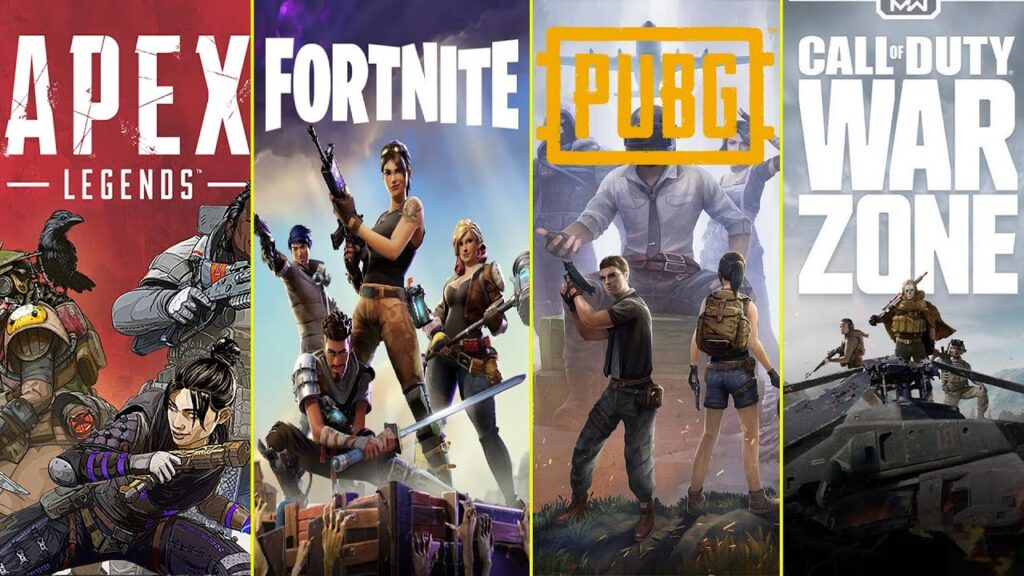
This makes many gamers think twice before spending $70 on a single premium game when free options deliver endless entertainment.
3. Rising Game Prices
As game development costs increase, so do retail prices.
With AAA titles now costing $70 or more, players have become more selective — waiting for discounts, reviews, or subscription inclusion before purchasing. The result: fewer sales, but potentially longer engagement per game.
4. The “Games as a Service” (GaaS) Era
Modern games aren’t just products — they’re ongoing services. Titles like Destiny 2 and Genshin Impact thrive on seasonal updates, cosmetic drops, and events.
Players now invest in a single game over months (or years), spending repeatedly on content rather than buying multiple new releases annually.
What This Means for the Gaming Industry
Developers Must Show Long-Term Value
Replayability, live content, and multiplayer modes are now essential. Players want experiences that grow with them, not ones they finish in a weekend.
Monetization Models Are Changing
Studios increasingly rely on microtransactions, battle passes, and expansions, not just one-time purchases. Games are now platforms for ongoing engagement rather than products on shelves.
Challenges for Indie & Mid-Tier Studios
Without massive marketing budgets or inclusion in subscription catalogs, indie games must rely on strong word-of-mouth, community support, and innovation to break through.
Subscription Platforms Gain Influence
As more gamers subscribe, Xbox, Sony, and EA gain significant control over discovery and distribution. These ecosystems decide which games get visibility and how developers get paid — shifting power away from traditional retail.
Final Thoughts
Circana’s findings signal a transformative moment for gaming in America. Players no longer define their gaming experience by ownership, but by accessibility, community, and continuous updates.
We’re entering an era where subscription models, free-to-play ecosystems, and live services dominate — redefining what it means to be a gamer in 2025 and beyond.
Whether you’re a developer, publisher, or player, one thing is clear:
The gaming landscape is changing — and adaptability will decide who wins the next generation.
Table of Contents
CHECKOUT MORE CONTENT:
About The Author
