Assocham Seeks Union Budget 2026 Incentives for Hydrogen-Based Green Steel and Green Finance
Industry body Assocham has appealed to the Centre to put in place a few targeted incentives around hydrogen-based steelmaking, concessional green finance and other support measures during the forthcoming Union Budget 2026-27 that can make India a flobal low‑carbon steel hub kannen.
Push for Hydrogen Steel, and Green Finance

Assocham’s top ask is incentives for hydrogen‑based direct reduced iron (DRI) production, a cleaner alternative to coal‑based ironmaking that forms the heart of global net‑zero steel pathways. “Commercial adoption is challenging in the absence of policy support because high costs of green hydrogen and capex are prohibitive. Mn Recos: EVs, green hydrogen) * “The chamber expects rapid proliferation across sectors through various regulatory incentives/policies for R&D projects even before mass scale commercial deployment.
As well as technology assistance, Assocham has urged concessional green finance lines for decarbonisation projects in steel, such as cheaper credit from development financing institutions and priority‑sector‑style treatment of eligible investments. Easier access to long‑tenor, low‑interest green capital is critical if Indian mills are to compete with peers in places such as Europe and East Asia that already receive generous climate subsidies, it says.
Waste heat recovery and indigenous captive power
The pre‑Budget memorandum also calls for incentives to hasten the adoption of waste‑heat recovery systems in integrated steel plants, which reduce fuel consumption and emission by using process heat that goes waste at present. For project economics and higher adoption levels, Assocham will seek tax breaks or accelerated depreciation on such equipment.
At the same time, the chamber is advocating for policy support and easing of approvals for captive renewable power plants — solar, wind and hybrid projects linked to steel units — to reduce dependence on grid‑based fossil power. It asserts that linking low‑carbon power with hydrogen‑DRI and electric furnaces is critical to achieving real “green steel,” not just moving the emissions up a level.
Responding to raw material and cost pressures
Apart from decarbonisation, Assocham has pointed out there are structural cost issues that stand to damage the sector’s competitiveness despite India already being the world’s second-biggest steel producer with annual growth rates averaging 8%–9%. It adds that the country’s mills are facing higher input costs, a weak rupee and heavy dependence on imported coking coal as India has almost no mine-able coal reserves of its own.
The chamber also cautions on supply of iron ore, saying it is turning into a bottleneck: production has virtually remained stagnant; several auctioned mines are yet to commence output while exports continue to choke domestic availability. This squeeze, amid expanding steel demand, is driving up prices for ore to feed local mills, squeezing margins and curbing ability to expand capacity.
Policy asks: duties, royalties and recycling
- To address these challenges, Assocham has put forward a set of fiscal and regulatory changes. It wants:
- To advocate iron ore beneficiation & pelletisation for the high quality, as well as to utilise low grade deposits instead of for goð]ing a waste.
- Withdrawal of import tax for very essential raw materials where locally not available, reducing cost of inputs.
Rationalisation of royalty calculations on iron ore to prevent what the industry calls “double taxation”, making domesticore more attractive.
The body is also seeking incentives around scrap collection, segregation and recycling, including skilling programmes for a formal recycling ecosystem to emerge. More domestic scrap flows would cut reliance on imported ferrous scrap and specialty steel, while meeting objectives under the circular economy.
Strategic Boost Under “Make in India”
FY27 Budget should be seen as a historic opportunity to protect India from becoming a net importer of steel and its value added products in the wake of dream initiatives like Make In India and Build For The World,” said Assocham. It argues that a cocktail combining hydrogen DRI support, green finance, energy efficiency incentives and raw material reforms could both slash emissions, curb import dependence and attract fresh investment to the sector.
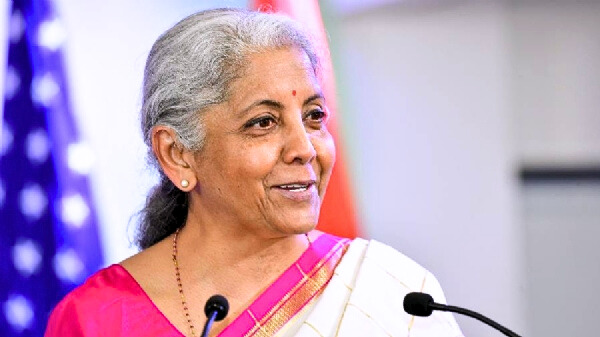
Industry players say, without early and targeted intervention, Indian steel producers face the risk of trailing global decarbonisation standards in a race domestic exports would become vulnerable to future taxes at the border on carbon while losing market share in higher-end segments. With the Union Budget 2026‑27 due to be presented by Finance Minister Nirmala Sitharaman on February 1, the government now has a pivotal decision to make about how far it wants to go in promoting green steel as a cornerstone of India’s climate and industrial strategy.
Checkout More Content:
About The Author
