

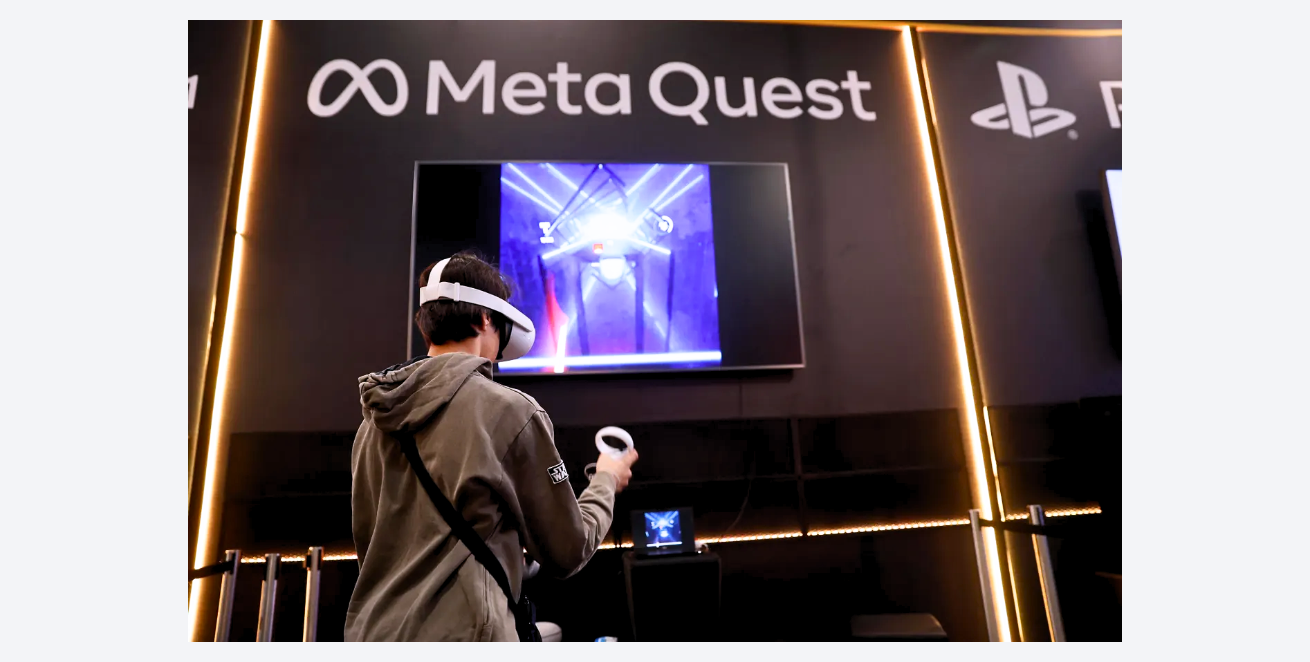
Meta’s top gaming boss is banking on teenagers to save virtual reality’s future, hoping today’s headset-wearing kids grow into tomorrow’s loyal VR adults. In a candid column, the exec admits the stakes are high as Meta pours billions into Quest headsets and immersive worlds.
Teens as VR’s Secret Weapon
Meta executives see teenagers as the key to making VR stick around long-term. Young gamers are diving into titles like Dungeons of Eternity, Batman: Arkham Shadow, and multiplayer hits that feel like hanging out with friends in another dimension.
The strategy? Hook them early with social experiences, action-packed adventures, and easy multiplayer chaos. Once teens get comfy strapping on a Quest 3 or 3S, the hope is they’ll never want to game any other way – carrying that habit into adulthood.
Picture a 15-year-old teaming up with buddies in Ghosts of Tabor or exploring TMNT: Empire City – these aren’t just games; they’re shared memories that build loyalty to Meta’s ecosystem.
Why Teens Matter Most

VR adoption has been slow among adults stuck on traditional screens, but teens embrace the immersion without hesitation. Meta’s focus on teen-friendly games like Orcs Must Die: By the Blade and The Boys: Trigger Warning aims to create lifelong users who upgrade headsets yearly.
Execs worry if kids age out after the novelty wears off, VR could fizzle like past fads. That’s why 2026’s lineup packs teen bait: fast-paced shooters, co-op survival, and social hubs that mimic TikTok meets Fortnite in VR.
Data shows teens spend hours in mixed-reality passthrough modes, blending real rooms with digital chaos – perfect for short attention spans craving constant action.
Hit Games Winning Over Youth
Meta’s store overflows with teen magnets. Top picks include Red Matter 2 for puzzle thrills, FNAF: Help Wanted for scares, and Contractors for squad-based battles that feel ridiculously real.
Newcomers like Dread Meridian, Star Trek: Infection, and Remnant Protocol drop in early 2026, promising AAA polish without needing a beefy PC.
Multiplayer shines brightest – games like Forefront and Deadly Delivery let kids squad up globally, fostering communities that keep them logging in daily.
Challenges in Keeping Them Hooked
Not all smooth sailing. Battery life, comfort, and motion sickness still plague longer sessions, and parents eye screen time warily. Meta counters with lighter Quest 3S models and games blending VR with real-world movement.
Execs admit retention is the real battle – teens bounce between apps fast, so constant updates and events are crucial to avoid abandonment.
Plus, competition heats up with PSVR2 and PCVR tempting switchers, but Meta’s standalone ease gives it an edge for impulse-prone youth.
The Long Game for VR Dominance
Meta’s gamble pays off if these VR teens evolve into paying adults fueling the next headset wave. With 2026 slates like Postal 2 VR and Knights of Fiona on deck, the company bets immersive worlds will outshine flat screens.
It’s a high-wire act: billions invested, cultural shift needed. But if execs are right, your kid’s bedtime Quest sessions today become tomorrow’s daily VR ritual – reshaping gaming forever.
Early signs look promising as teen engagement surges, proving VR isn’t niche anymore. Watch this space; Meta’s teen army could conquer reality itself
About The Author