

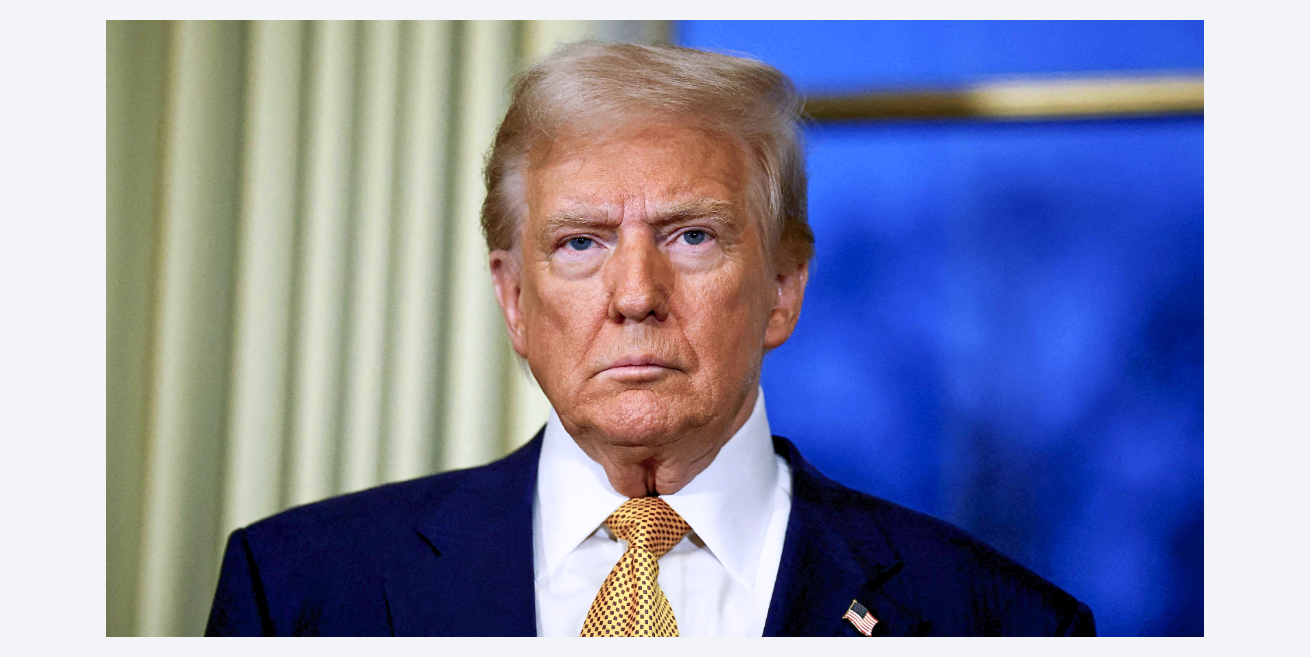
President Donald Trump’s administration is mulling cuts to tariffs on steel and aluminum products like ovens, beverage cans, and washing machines, marking the seventh reversal in three months to combat soaring consumer prices. Treasury Secretary Scott Bessent confirmed no final call but called it a “clarification on incidental objects,” per CNBC on February 13, 2026.
Tariff Timeline: From Hawkish to Pragmatic
Imposed last summer at up to 50% (including non-metal content), these levies expanded to downstream goods, hiking costs for appliances amid supply strains. November’s midterm losses spotlighted affordability—GOP blame tariffs for 16% steel price jumps—prompting rollbacks: exemptions on 200+ foods (beef, coffee Nov 14), Brazil/India cuts (50% to 18%), Taiwan deals, and narrow semiconductor duties sparing iPhones.
Financial Times reports White House aides reviewing lists for exemptions, halting expansions, and shifting to targeted national security probes—easing pressure on everyday items.
Economic Drivers and Consumer Impact
Tariffs fueled inflation on imports (25% US steel from Canada/Mexico/Japan), passing costs to households: ovens +12%, cans +8%. Trump’s “America First” reelection pledge clashed with reality—retailers hoarded savings—prompting pivots post-Nov 2024 reelection. Potential relief: pie tins, fridges cheaper by Q2 2026, boosting affordability narrative ahead of midterms.
Steel lobby pushes back, citing jobs protection, but economists eye GDP lift from lower inputs.
India Trade Boost
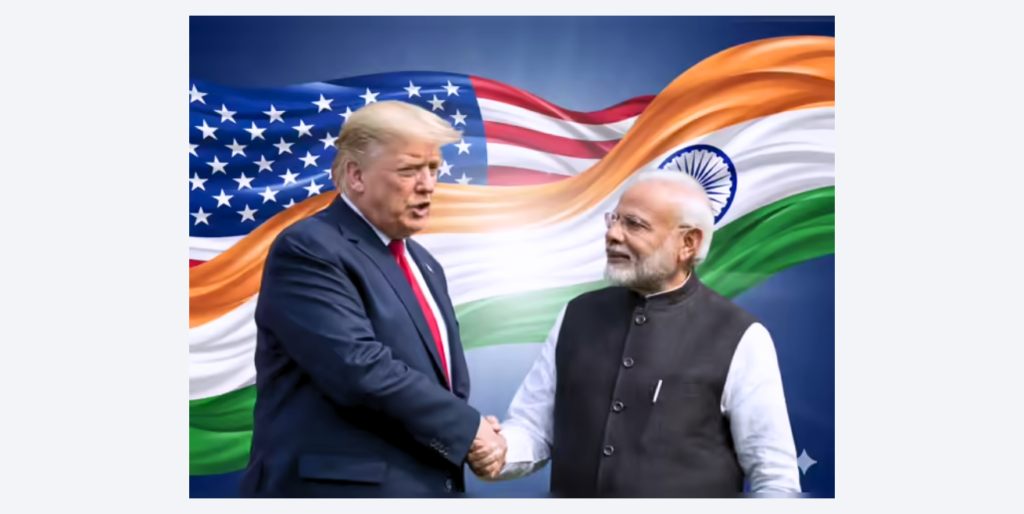
US-India February 8 pact slashed reciprocal tariffs from 50% to 18% on goods, shielding $860M steel/aluminum exports from Maharashtra/Gujarat/Tamil Nadu SMEs. Moody’s warns redirected cheap steel could flood India, pressuring local prices/earnings, but deal enhances competitiveness amid RBI stability. For your finance analysis, this stabilizes INR/USDJPY carry trades, aids auto/appliance makers like Tata Steel.
Global Ripples and Strategy Shift
Reversals signal pragmatism: China summits eased tensions, Brazil foods exempted post-50% hit. Broader exclusions minimize consumer hit—electronics largely spared. Critics like Rick Newman decry flip-flops eroding “reciprocal” credibility, but Trump frames as fulfilling “prices down” vows.
2026 outlook: Targeted probes preserve core protections (e.g., national security steel), but affordability trumps protectionism amid yen firming (Takaichi clarity). Steel prices may ease 5-10%, benefiting construction/manufacturing.
Market Reactions and Outlook
Steel stocks dipped 2-3% on news; aluminum flat. Analysts: “Strategic retreat” aids re-election optics, but core tariffs endure. India benefits: export growth 10-15%, jobs safeguarded—key for Patiala trackers eyeing NSE metals.
Trump’s tariff tango—from escalation to exemptions—highlights voter power over ideology. More rollbacks loom if inflation persists.
About The Author