

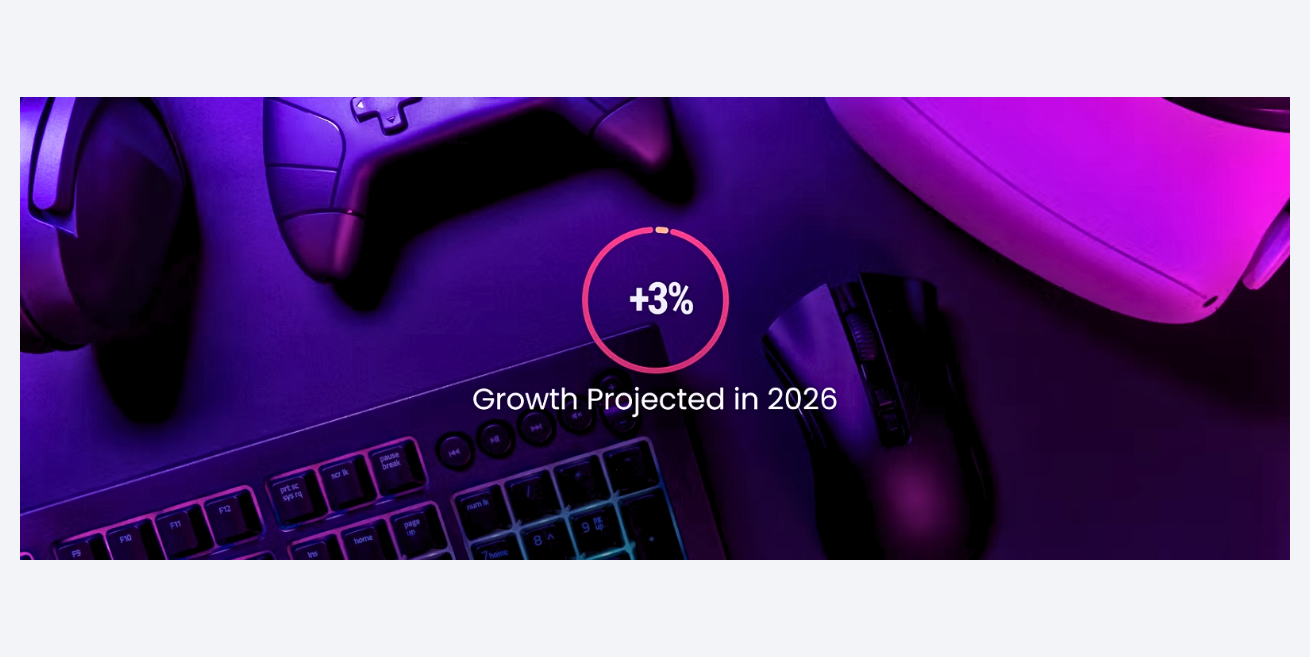
Circana’s latest report forecasts a transformative year ahead for the U.S. video game industry, with consumer spending projected to hit a new high. This growth comes after 2025’s modest +1.4% rise to $60.7 billion.
2025 Performance Sets the Stage
In 2025, the industry saw slight expansion driven by new hardware launches, stronger subscriptions, and steady demand across platforms. Total spending on hardware, content, and accessories reached $60.7 billion, up from 2024. This built momentum entering 2026, surpassing the prior peak of $61.7 billion from 2021.
Bold 2026 Spending Projection
Circana anticipates a +3% increase to $62.8 billion in total U.S. consumer spending for 2026. Key drivers include the Nintendo Switch 2’s second year, massive hype for Grand Theft Auto VI, and ongoing subscription gains. This would mark the highest spending ever, signaling robust player engagement despite economic pressures.
Nintendo Switch 2 Momentum
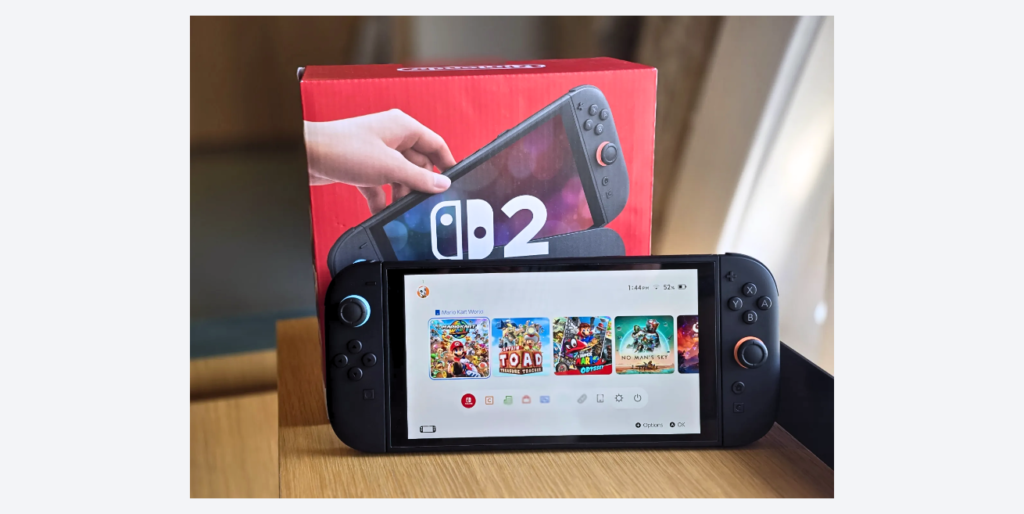
The Switch 2, launched in June 2025, became the fastest-selling U.S. home console in history after seven months. By early 2026, it exceeded 17 million units sold, with Nintendo forecasting 19 million by March’s end. Its success offset declines in other hardware, boosting software and digital sales via strong franchises.
GTA VI Leads Software Boom

Grand Theft Auto VI tops purchase intent in Circana’s history, set for November 2026 release on consoles. Anticipation could spike hardware, accessories, and subscriptions, joined by titles like Resident Evil: Requiem, Pokémon: Pokopia, and Marvel’s Wolverine. Recent confirmations lock in November 19, fueling industry excitement.
Subscriptions Drive Value
Subscriptions shone in 2025 and will grow further, offering vast libraries amid rising costs. Globally, the market hit $11.53 billion in 2024, projected at $12.9 billion for 2025 with 13.3% CAGR to 2030. Over 120 million gamers subscribe, with Xbox Game Pass nearing $5 billion revenue.
Hardware Cost Pressures
AI data center demand hikes prices for RAM, GPUs, CPUs, and storage, limiting affordability. DDR5 supply shifts to AI’s HBM, while NAND flash scarcity affects SSDs, rippling to gaming PCs and consoles. Builders face order halts as cloud providers pass on costs.
Shifting Player Habits
Younger gamers lean toward PC and mobile hits like Roblox, Minecraft, and Fortnite. Cost barriers may boost existing devices, cloud gaming, and free-to-play titles. Macro factors like tariffs amplify this: 38% of consumers would skip full-price launches, 34% wait for sales, and 27% play more free games.
Disruptors on Horizon
Valve’s Steam Machines could challenge consoles if competitively priced. Combined with macroeconomic risks, 2026 mixes opportunity and uncertainty.
Expert Outlook
“The 2026 U.S. video game market brings great opportunity — and risk,” says Mat Piscatella, Circana’s video games advisor. Stellar software and subscriptions excite, but hardware headwinds loom. For gamers and creators in India tracking global trends, this signals thrilling releases amid accessible mobile/PC shifts—perfect for cross-platform play on Switch, PlayStation, or PC setups.
About The Author