


Parliament’s Lok Sabha Speaker Om Birla has confirmed that Finance Minister Nirmala Sitharaman will present Union Budget 2026‑27 on Sunday, February 1, 2026— It is first time in India’s parliamentary history that the annual fiscal blueprint will be tabled on a weekend. This announcement puts an end to speculation about whether the government would shift the date to Monday, February 2, to avoid the Sunday slot.
Understanding the Budget Session 2026 Schedule
Key Dates and Phases of the Session
The Budget Session 2026 of Parliament will kick off on January 28, 2026, following the official announcement by Lok Sabha Speaker Om Birla. This extensive parliamentary session will continue through April 2, 2026, spanning over two months of legislative activity. President Droupadi Murmu has approved this schedule based on recommendations from the Government of India, as confirmed by multiple news outlets.
The session is structured in two distinct phases to allow for comprehensive deliberation on the Union Budget 2026. The first phase runs from January 28 to February 13, focusing primarily on the budget presentation and initial discussions. After a brief recess, the second phase resumes on March 9 and continues until April 2, when detailed budget discussions and voting will take place.

The President’s Address and Parliamentary Convention
Following established parliamentary tradition, President Droupadi Murmu will inaugurate the Budget Session with an address to a joint sitting of both houses of Parliament. This ceremonial opening on January 28 brings together members from both the Lok Sabha and Rajya Sabha to hear the President outline the government’s vision and priorities for the upcoming fiscal year.
The presidential address serves as a roadmap for the Union Budget 2026 discussions, highlighting key policy initiatives and legislative goals the government plans to pursue. This longstanding parliamentary convention sets the stage for what promises to be a historic budget session, given the unprecedented Sunday presentation scheduled for February 1.
Role of Standing Committees During Recess
The three-week recess between February 13 and March 9 plays a crucial role in the budget approval process.
 During this period, various parliamentary standing committees will conduct in-depth examinations of budget allocations requested by different ministries. These specialized committees, comprising members from across party lines, scrutinize the financial demands and provide recommendations.
This detailed review process allows for technical evaluation of budget proposals before they return to Parliament for final debate and voting. The standing committees’ work ensures that the Union Budget 2026 receives thorough analysis across sectors, making the recess a period of intense behind-the-scenes activity rather than a break. Financial experts consider this scrutiny essential for maintaining fiscal responsibility and parliamentary oversight of government spending.
Economic Implications and Market Expectations
Government’s Policy Direction and Fiscal Measures
The historic Sunday presentation of the Union Budget 2026 will serve as a critical roadmap for India’s economic trajectory in the upcoming fiscal year. Financial analysts and industry leaders are eagerly awaiting the unveiling of key fiscal measures that will shape government spending and revenue collection patterns. The budget is expected to reveal comprehensive strategies addressing immediate economic challenges while balancing long-term growth objectives.
Beyond mere numbers, the Union Budget 2026 will offer valuable insights into the government’s approach toward managing inflation—a persistent concern for households and businesses alike. With global economic uncertainties looming, stakeholders will scrutinize the budget for signs of how India plans to navigate potential headwinds while maintaining growth momentum. The social welfare component will likely receive significant attention, with analysts predicting expanded schemes to support vulnerable segments of society.
Focus on Capital Expenditure and Reform Agenda
Capital expenditure allocations in the Union Budget 2026 will be under intense scrutiny as they reflect the government’s commitment to infrastructure development and economic expansion. Market watchers expect continued emphasis on infrastructure spending, particularly in transportation, energy, and digital connectivity sectors. The quantum and direction of this spending will signal the administration’s priorities for creating long-term economic value.
The reform agenda outlined in the budget will be equally significant for domestic and international investors.
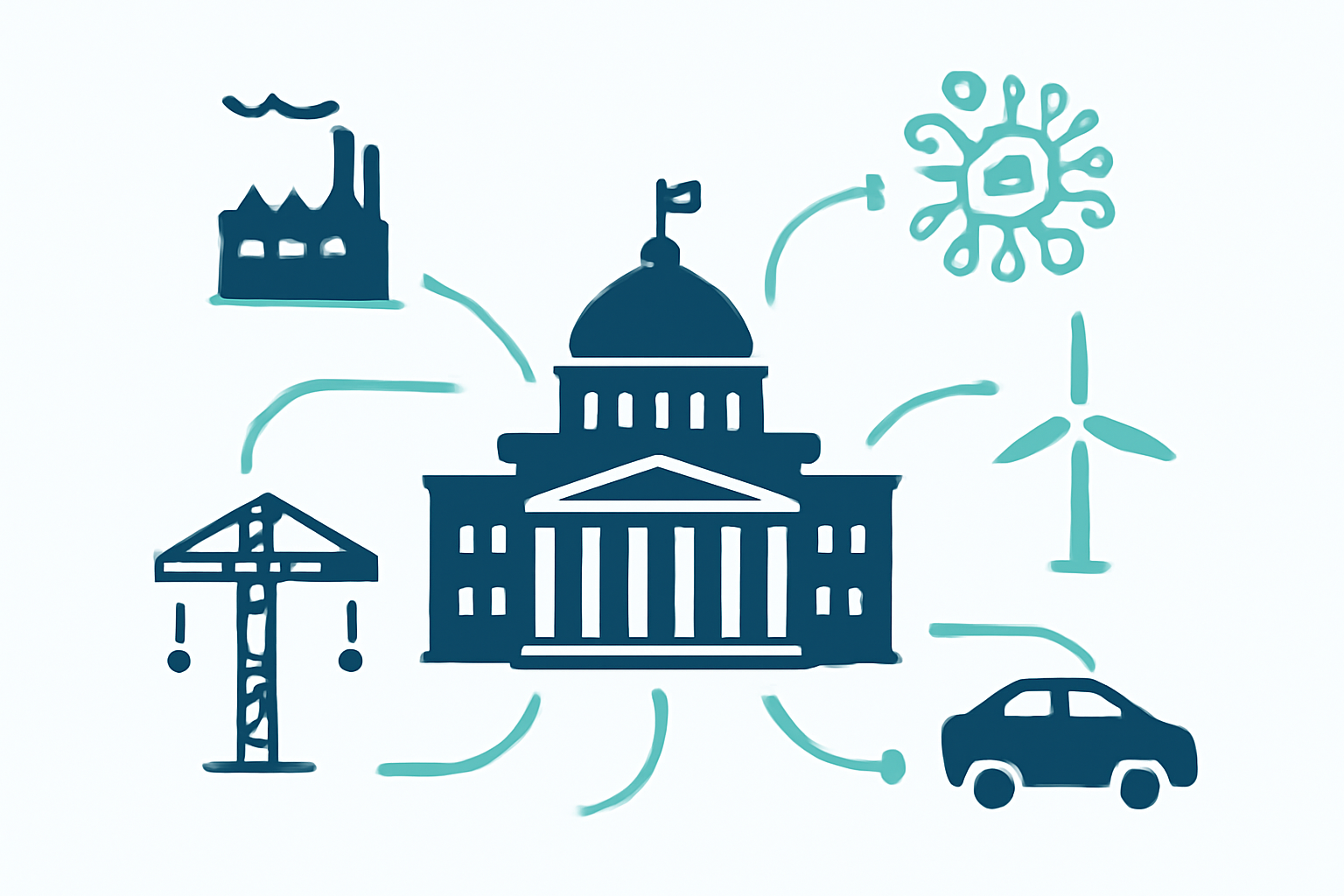 Specific measures to streamline business regulations, enhance ease of doing business, and attract foreign direct investment will be closely monitored. Industry-specific policy changes could potentially unlock growth opportunities in manufacturing, technology, and emerging sectors such as renewable energy and electric mobility.
Market Reaction and Investor Sentiment
The Sunday budget presentation is likely to trigger substantial market movements in the following trading sessions.
 Stock markets typically display heightened volatility during budget announcements as investors digest sector-specific implications. Key sectors like banking, infrastructure, consumer goods, and technology may see significant price action based on budget provisions affecting their growth prospects.
Tax-related announcements will be particularly influential on investor sentiment, with any changes to capital gains tax structures, corporate taxation, or personal income tax slabs potentially reshaping investment strategies. Bond markets will respond to fiscal deficit targets and government borrowing plans, while currency traders will assess the budget’s impact on India’s external financial position. The Union Budget 2026 will ultimately serve as a litmus test for investor confidence in India’s economic governance and growth story.
Checkout More Content:
About The Author