


The explosive demand for AI infrastructure is squeezing the videogame console industry, driving up memory chip prices and threatening to make PlayStation, Xbox and Nintendo Switch devices more expensive. Console makers like Sony, Microsoft and Nintendo are already grappling with weak sales and tariff pressures; now a global shortage of dynamic random access memory (DRAM) chips—essential for gaming hardware—could add 10–15% to retail prices, according to analysts.
AI data centers outbidding gaming for DRAM

Demand for DRAM has far outstripped supply as tech giants race to equip data centers with AI servers, forcing memory manufacturers to prioritize high-margin high-bandwidth memory (HBM) and server-grade chips over consumer products. Major suppliers like Micron, Samsung and SK Hynix are redirecting production capacity toward AI workloads, which offer better profitability despite lower volumes.
Micron, for instance, is discontinuing its popular Crucial brand—long a go-to for PC gamers and builders—to focus resources on enterprise memory, exacerbating shortages for gaming PCs and consoles. Counterpoint Research forecasts DRAM prices rising 30% in Q4 2025 and another 20% into 2026, with HBM demand alone consuming up to 40% of global chip supply in extreme scenarios.
Impact on PS5, Xbox, Switch 2 and next-gen plans
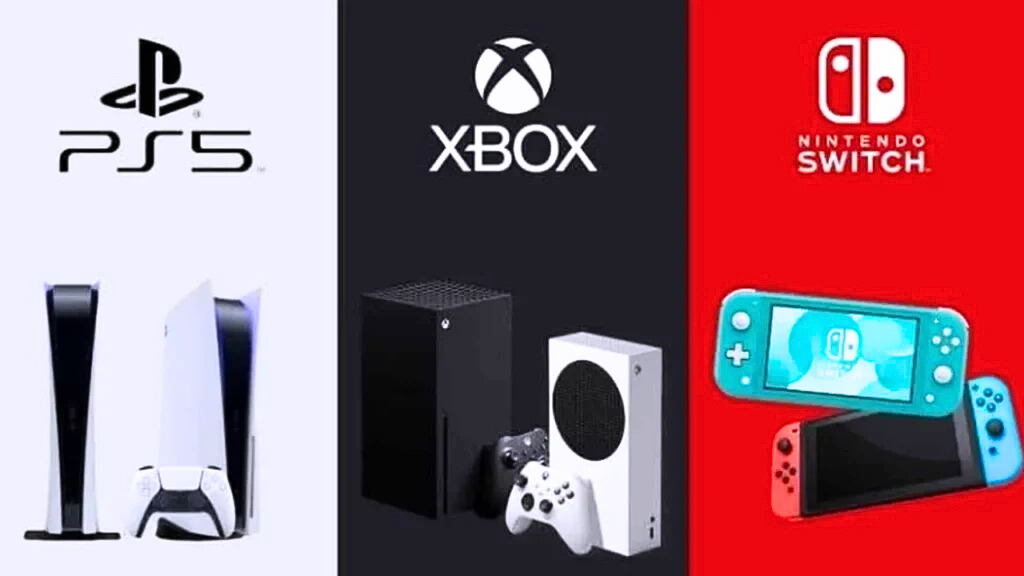
Videogame consoles rely heavily on DRAM for fast data processing, graphics rendering and multitasking. The current crunch is hitting mid-cycle refreshes like the PS5 Pro and could delay or inflate costs for Nintendo’s Switch 2, expected in 2026. Custom PC builders like CyberPowerPC have already raised prices by up to 30% due to DDR5 shortages, signaling similar pain for pre-built gaming rigs and consoles.
Analysts warn that sustained memory inflation could crimp console market growth, already projected to slow amid post-pandemic normalization and competition from mobile gaming and cloud services. Next-gen platforms like a potential PS6 or next Xbox, slated for 2027–2028, face added risks if AI-driven bottlenecks persist, potentially forcing design compromises or higher launch prices.
Broader supply chain ripple effects
The AI memory scramble extends beyond consoles to smartphones, laptops and graphics cards, creating a multi-year “super cycle” for semiconductors. OpenAI’s massive Stargate project and expansions by Amazon, Microsoft, Google and Meta are hoarding HBM—up to 1TB per top-tier GPU—leaving consumer DRAM in short supply.
This has led to supply rationing, with manufacturers like Nvidia securing priority allocations while gaming hardware gets deprioritized. Even server DDR5 modules are seeing 50% price surges, underscoring how AI’s voracious appetite for bandwidth is reshaping the entire chip ecosystem.
Console industry’s multi-front challenges
The timing couldn’t be worse for gaming hardware. Console sales have softened after the PS5/Xbox Series X boom, compounded by US-China tariffs on electronics and cautious consumer spending amid inflation. Rising component costs now pile on, potentially eroding margins or passing expenses to buyers already sticker-shocked by $500+ consoles.
Industry watchers predict some relief by late 2026 as new fabs come online, but AI demand shows no signs of slowing, with chipmaking equipment sales alone forecasted to hit $126 billion next year. For now, gamers face a stark reality: the same tech powering ChatGPT and AI art generators is making their next console upgrade pricier.
Checkout More Content:
About The Author